
-
Preserving and Recording Audio-Visual History
Click the thumbnail of the image you want and then right-click on the full-size photo to save it to your computer and install as with any other desktop wallpaper image.
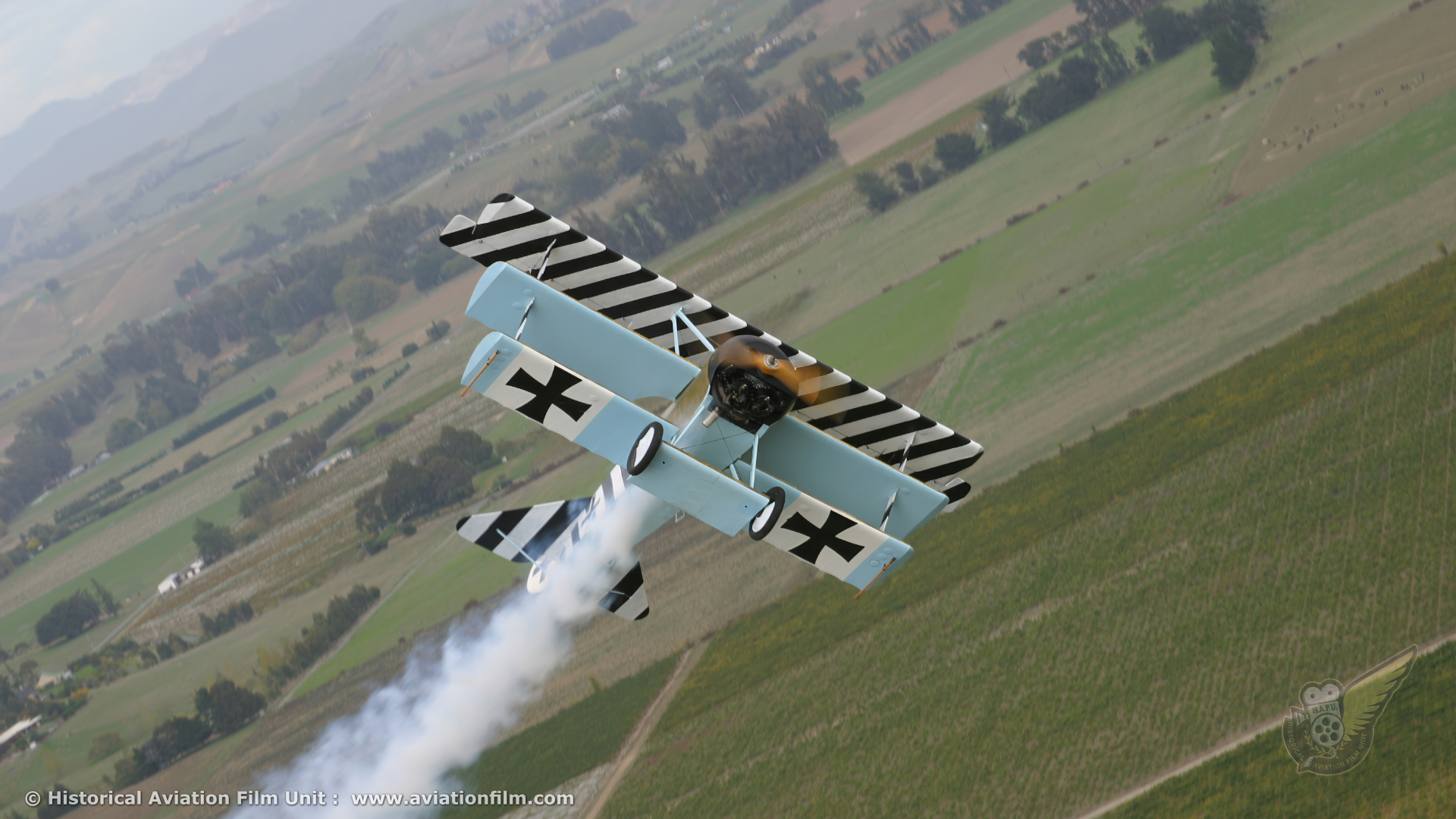
This Week: Fokker Dr.1 - Hans Kirschstein
Kirschstein began the war as a Sapper, and served in Poland, Galacia and the Western Front until May 1917 when he transferred to the air service. He initially flew two-seaters (and flew a bombing raid on Dover), but in March 1918 he joined Jasta 6 as a fighter pilot. By the end of May he'd scored 16 victories, and by June 24th had increased his score to 27.
The diagonal stripes on the aircraft were designed to put attack- ing pilots off their aim. The idea being that enemy pilots would sight along the lines, thinking they ran parallel with the wings and fuselage and this would cause them to aim in the wrong place. Kirschstein called his aircraft 'the optical illusion'.
Kirschstein was once rebuked by Manfred von Richthofen after downing two enemy aircraft. Richthofen did not tolerate his pilots allowing themselves to be shot and after discovering a bullet hole in the tail of Kirschstein's aircraft he is reported to have said: "Your kills were respectable, but they mustn’t be bought by shots in the back! Obviously you were lucky .... Any decent flyer would have clearly laid you flat... "
After Kirschstein's death in a flying accident in July 1918, 586/17 was flown by Ernst Udet, who with a score of 62 victories was the second highest scoring German ace after Manfred von Richthofen.
Photograph Copyright © Historical Aviation Film Unit
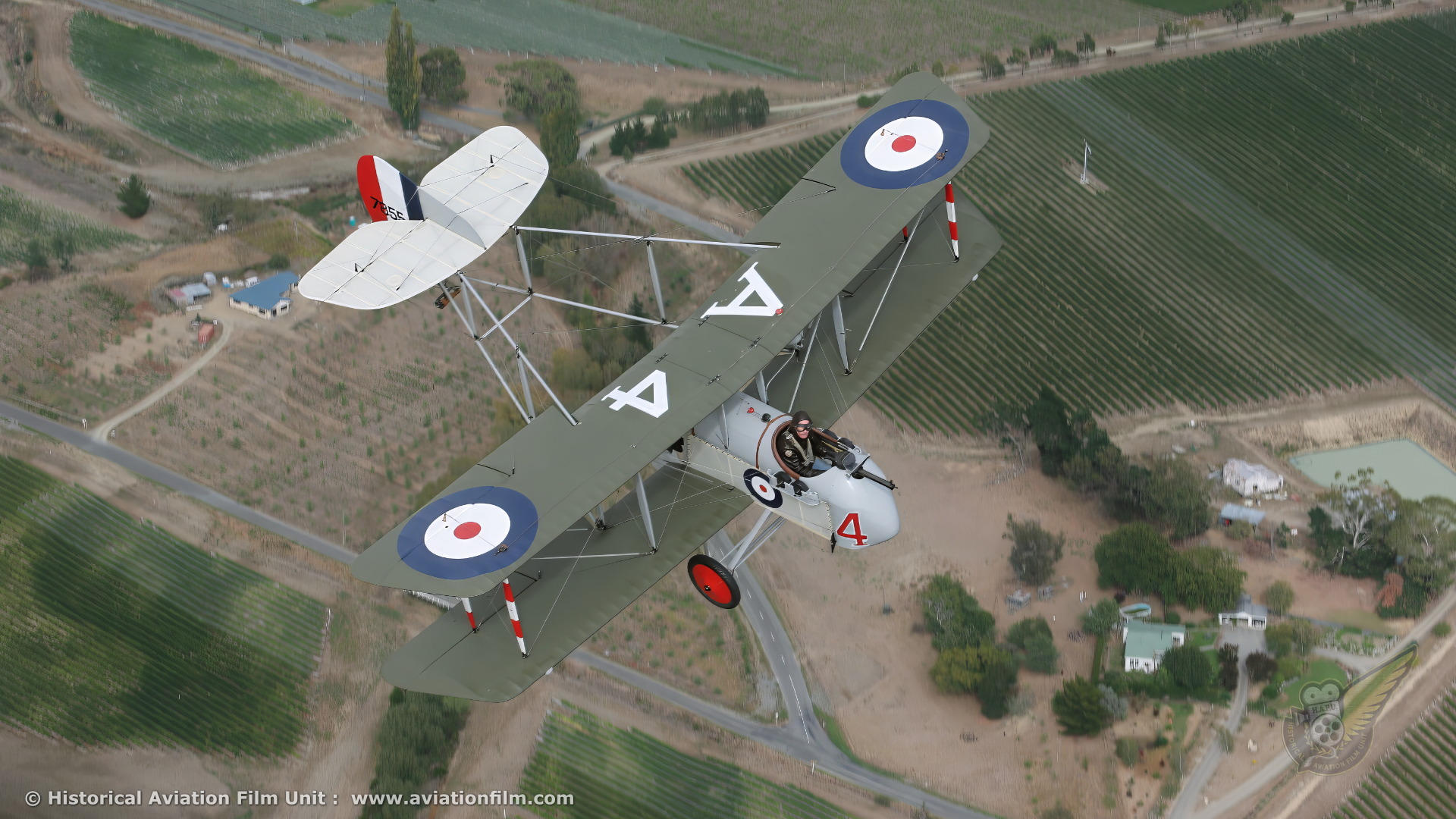
Last Week: Airco DH.2
The DH.2 was designed by Geoffrey de Havilland as a single seat fighting scout to replace the larger two-seat DH.1.
Although he had already designed the B.E.2, a conventional tractor biplane, de Havilland reverted to the more primitive looking pusher configuration for the DH.1 and DH.2 because at the time Great Britain did not have a reliable interrupter mechanism to allow machine gun fire through rotating propellers.
The Lewis gun was originally attached with a flexible mount to allow it to be aimed to the left or right, but many pilots found this inadequate. The gun was subsequently firmly mounted to the forward fuselage instead, allowing the pilot to aim the aircraft and not the gun. This quickly showed the DH.2 to be a capable fighter despite its most serious opposition during the first half of 1916 being the mod- ern looking Fokker E.III ‘Eindecker.’
DH.2s served on the front line in France throughout 1916, but by March 1917 were being withdrawn from service. The survivors were allocated to training units for the remainder of the war.
Photograph Copyright © Historical Aviation Film Unit
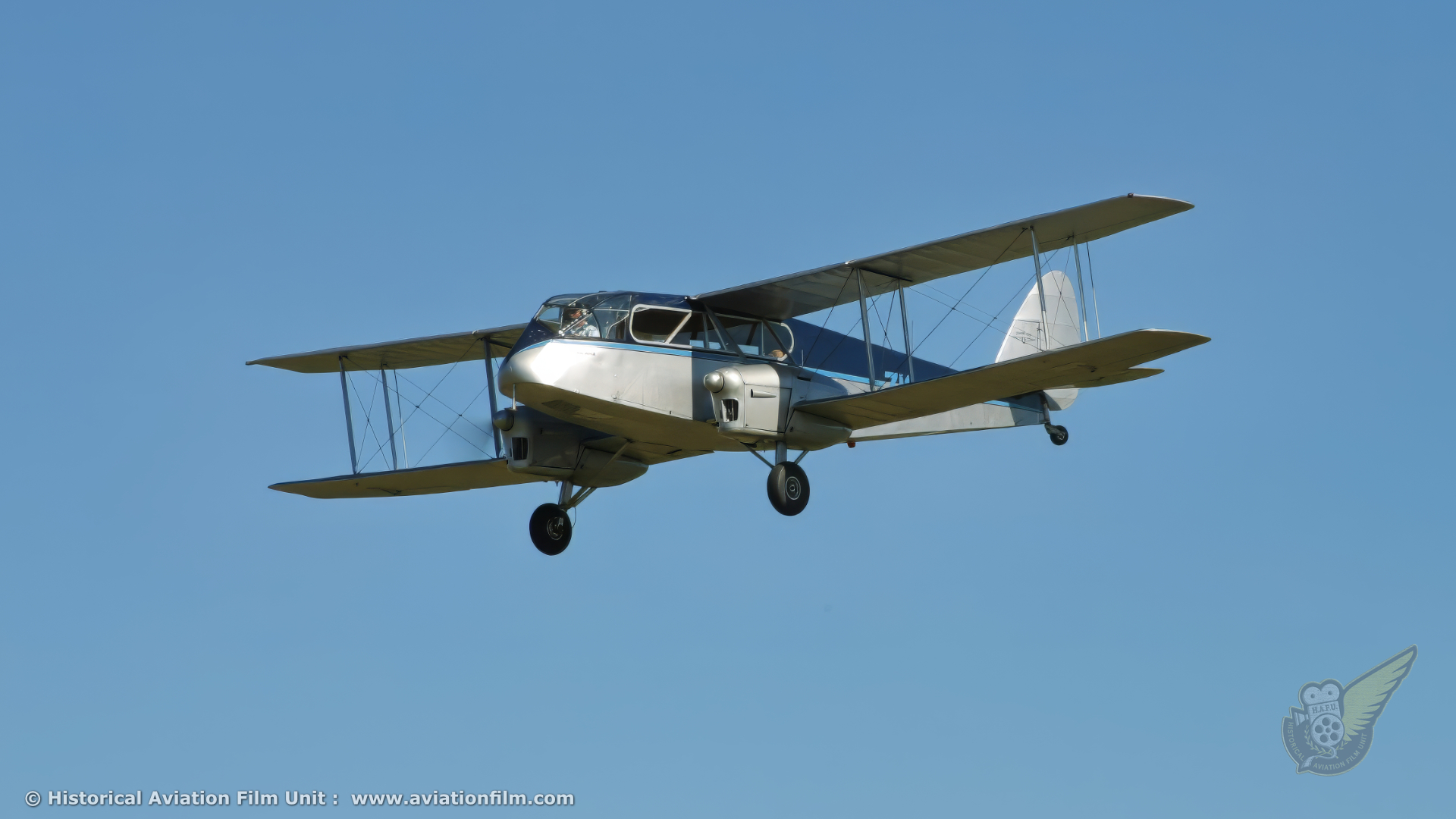
Previous: de Havilland DH.84 Dragon
The Dragon went into production in 1930, and was a modified version of a design initially intended as a light bomber for the Iraqi Air Force.
Just over 200 aircraft of the type were produced up to 1937, and this aircraft (based in Auckland) is one of 87 DH.84s license built by de Havilland’s Australian factory during WW2. ZK-AXI is one of just four flyable Dragons left in the world.
The aircraft is one of three Dragons to have been operated in New Zealand. The first two were imported in 1935, and were used for civil trans- port, before being impressed into service by the RNZAF during WW2.
This particular aircraft was imported in 1953, and it spent the next 14 years in a variety of civil roles around New Zealand before being written off in an accident. After a lengthy restoration period, the aircraft became airworthy once more in 1997.
Photograph Copyright © Les Bushell 2007
Sign up for our newsletter so we can let you know of any relevant news and video material we've recently released. Enter your details below (and rest assured we do not sell or give this info to anyone else):
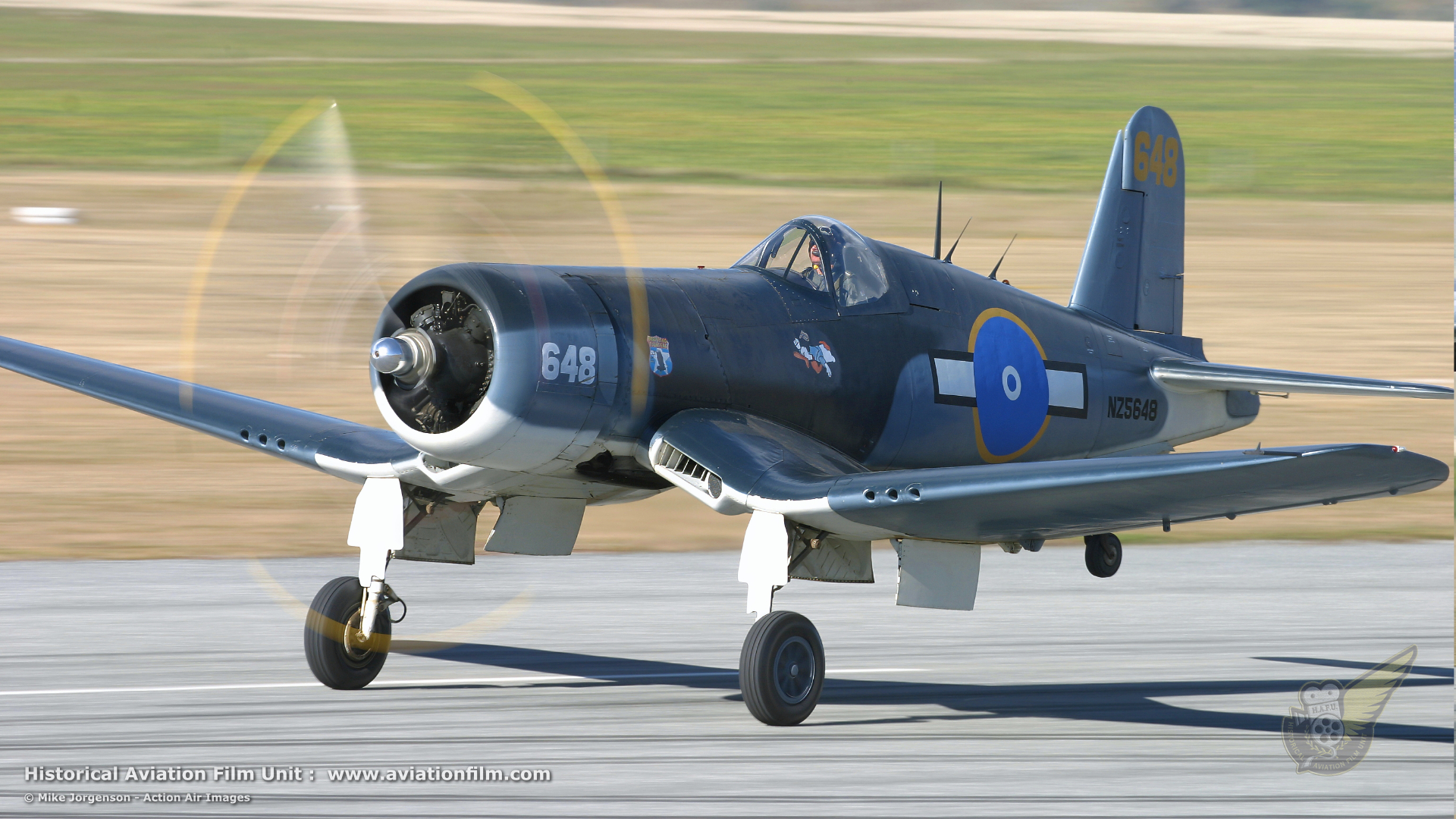
Previous: Goodyear FG-1D Corsair
The FG-1D Corsair was a variant of the famous Vought F4U Corsair fighter aircraft produced during World War II and shortly thereafter. Produced by Goodyear Aircraft Corporation under license from Vought (as a wartime strategy to increase production capacity by involving multiple manufacturers), and the FG-1D had several notable differences compared to the original F4U Corsair produced by Vought itself.
While the FG-1D retained the iconic gull-wing design and general configuration of the F4U, there were some structural variations and differences in manufacturing techniques between Goodyear and Vought. These differences could affect aspects such as weight distribution, performance characteristics, and maintenance procedures.
Photograph Copyright © Michael Jorgensen - Action Air Images
Previous: de Havilland DHC-4 Caribou
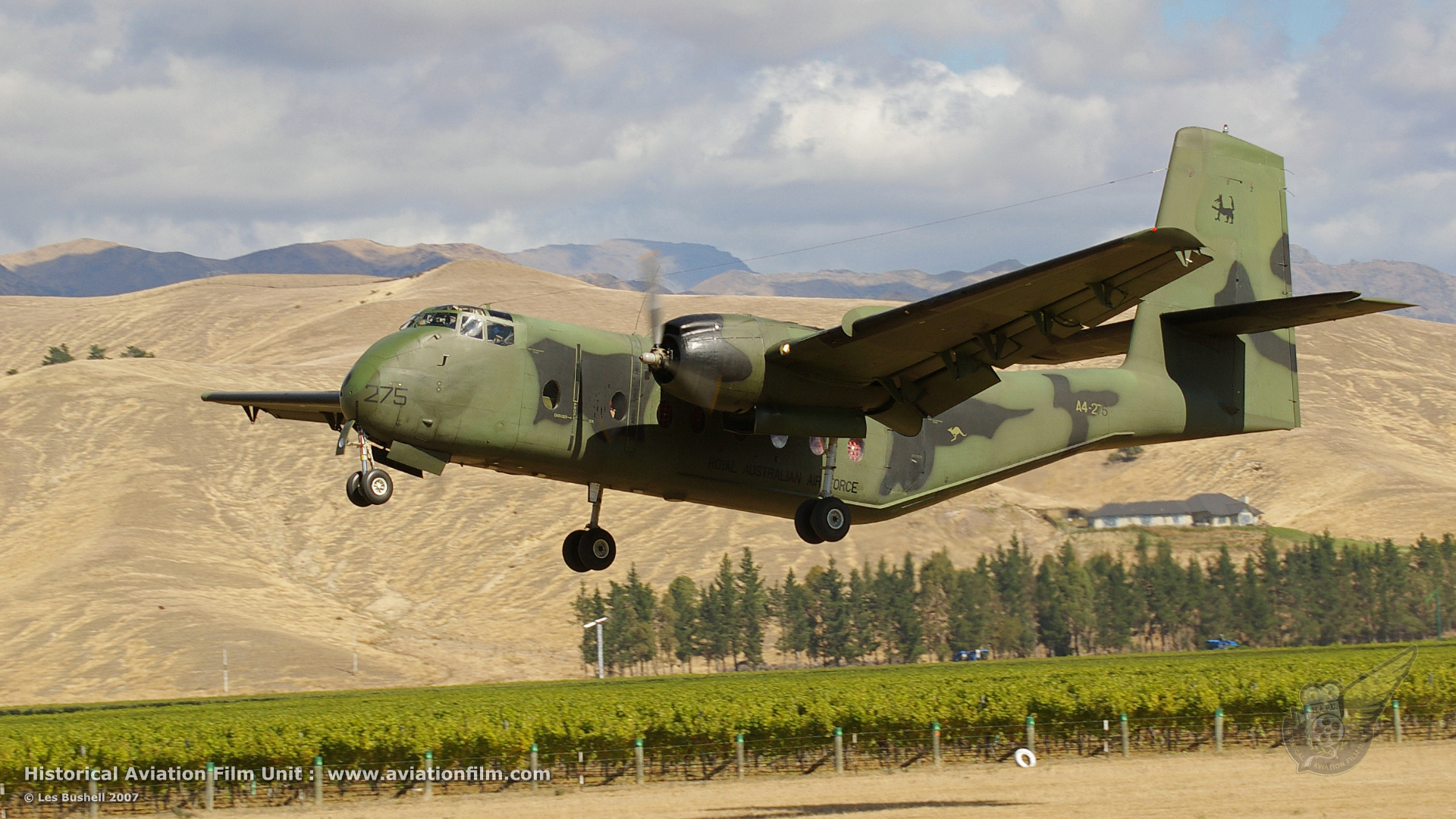
The Caribou first flew in 1958, but the ruggedness and the usefulness of their design has enabled the RAAF to continue to operate 14 examples until well into the 2000's. Designed as specialist STOL (short take- off and landing) aircraft the Caribou initially served in the Vietnam War. The aircraft can carry up to 32 troops or two jeeps (or similar light vehicles), and the rear loading ramp also enables the aircraft to be used for air-to-ground re-supply missions.
In service the RAAF Caribous performed both troop and cargo transport functions and they provide the capability to operate from short airfields with rough or soft surfaces.
Eventually a total of 29 Caribou aircraft served with the Royal Australian Air Force.
Photograph Copyright © Les Bushell 2007
Previous: Consolidated PBY-5a Catalina -- Canso
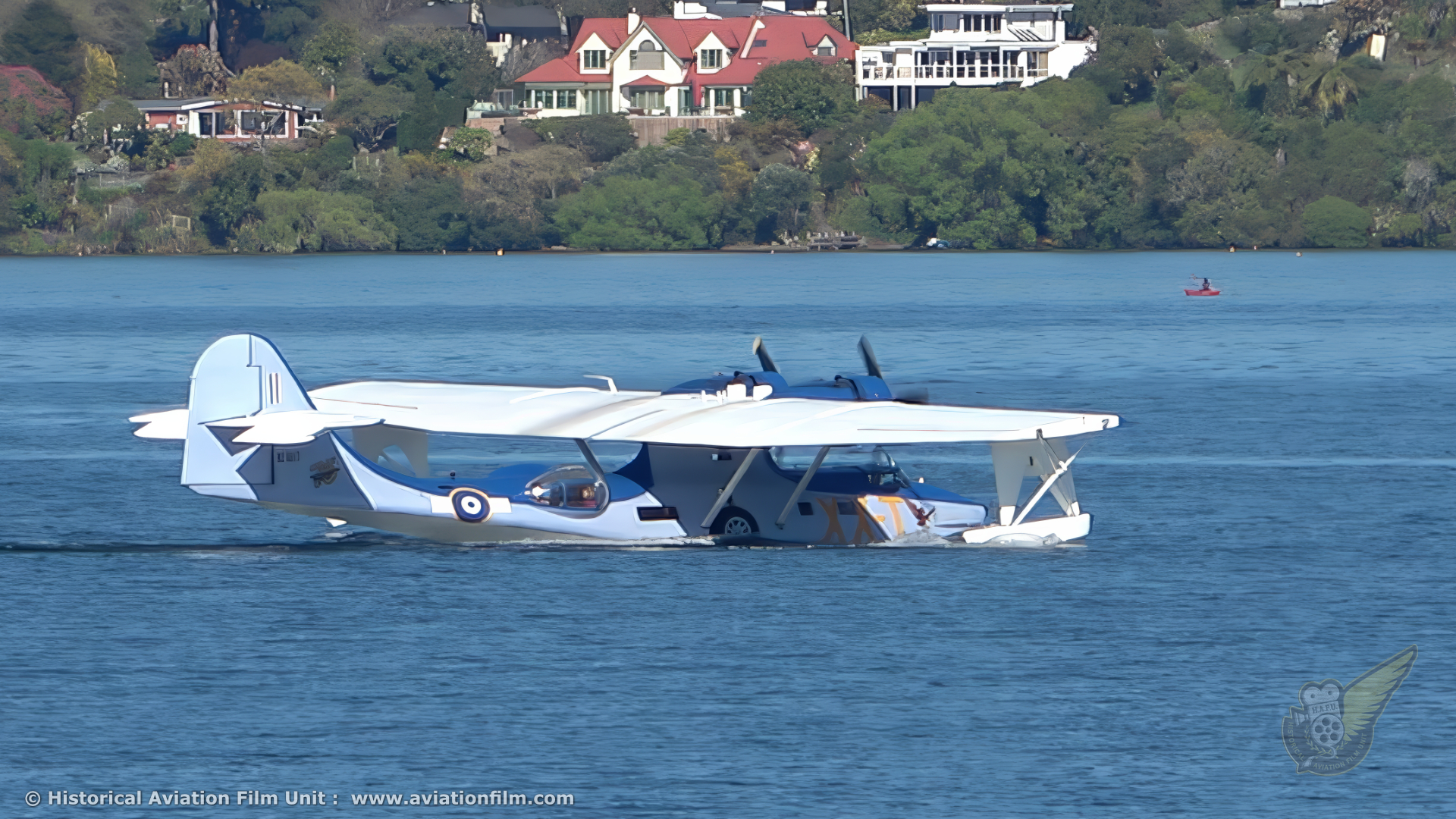
This aircraft is often referred to as a Consolidated Catalina, as that's the name that most aviation enthusiasts recognise. However, more accurately this aircraft is a 'Canso', a PBY-5a built in Canada.
While the PBY-5A Catalina and the Canadian-built Canso share a common design and similar specifications, the key differences lie in their manufacturing origins, specific variants, and the modifications made to suit different operational needs and regional requirements.
The Canadian versions of the Catalina were produced by Canadian Vickers and Boeing Canada. These versions were licensed-built variants of the PBY Catalina which included modifications suited to Canadian operational requirements and manufacturing practices.
Cansos served with the Royal Canadian Air Force (RCAF) and was used in roles similar to its American counterparts, including anti-submarine patrols, search and rescue operations, and transport. Post-war, many Cansos were converted for civilian use, particularly in roles such as firefighting (water bombing).
Photograph Copyright © Historical Aviation Film Unit
The resolution of this image may be slightly lower than normal as it is a still frame from some of our 4K video footage, rather than a hi-res digital photo.
Copyright © All Rights Reserved — Historical Aviation Film Unit
Template by OS Templates