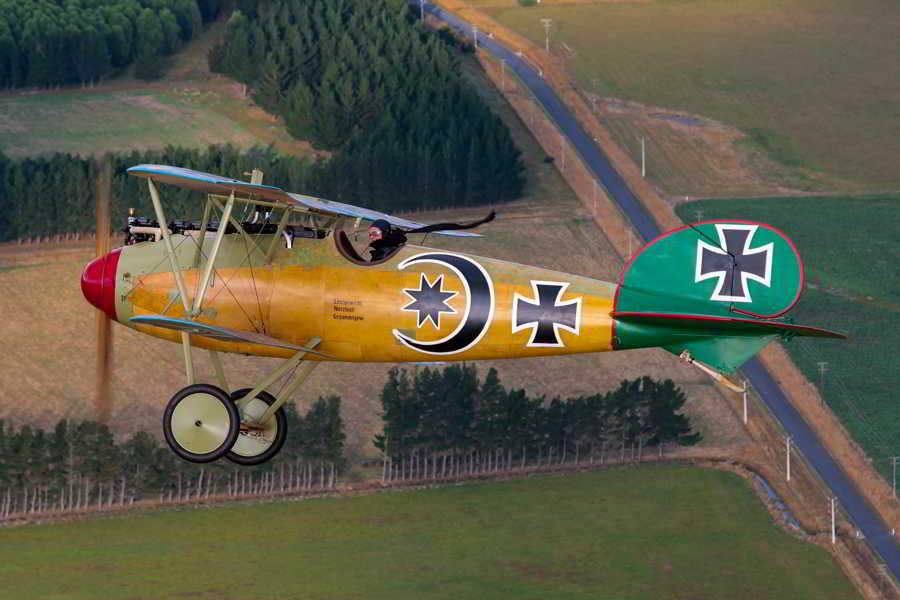
An Aerial View Of Mai's Albatros D.Va

-
Preserving and Recording Audio-Visual History
The Albatros D.V and its subsequent variant, the D.Va, were pivotal fighter aircraft used by the German Imperial Air Service during World War I. Introduced in the spring of 1917, the Albatros D.V quickly followed the earlier success of the Albatros D.III. While maintaining the basic design of its predecessor, including the characteristic sesquiplane wing structure, the D.V introduced several refinements aimed at improving performance and pilot visibility. However, despite its sleeker profile and streamlined fuselage, the D.V faced some structural and performance issues that somewhat hindered its effectiveness compared to the D.III. It was equipped with a Mercedes D.IIIa engine, providing around 180 horsepower, which propelled the aircraft to a top speed of about 115 mph (185 km/h).
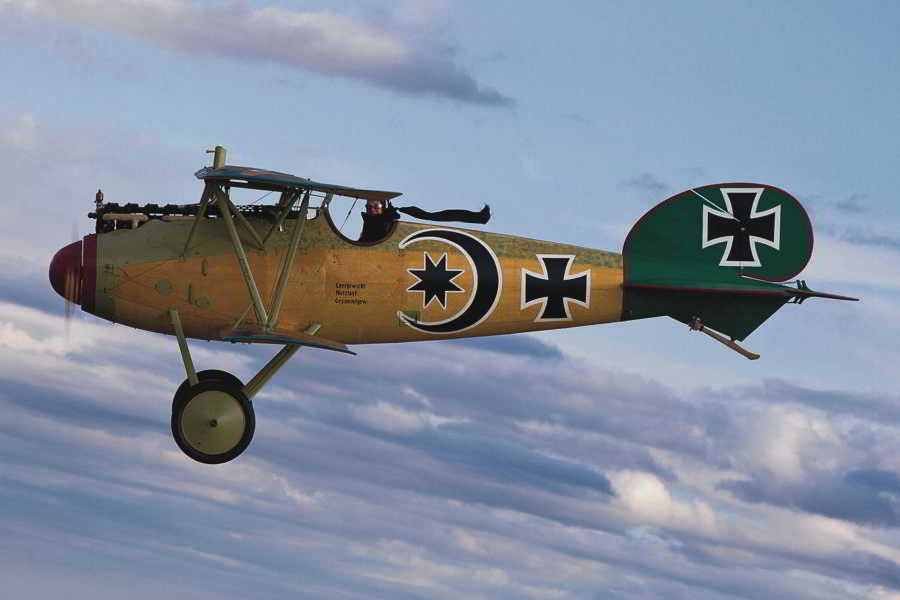
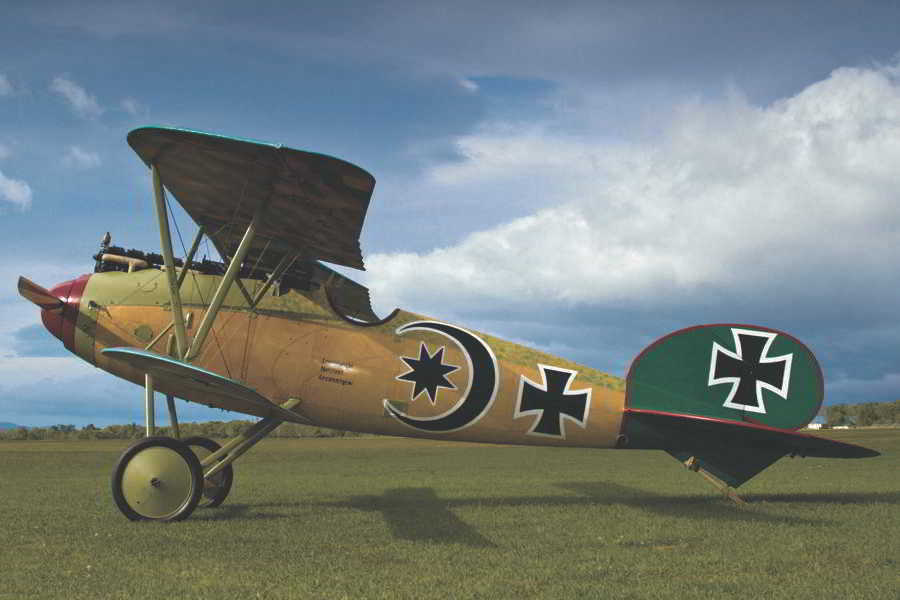
Albatros D.Va in the colour scheme of 5284/17, as flown by Vfw Josef Mai of Jasta 5.
Photo: © Historical Aviation Film Unit
Year: 1917 Built: approx 2,500 Top Speed: 187 km/h Operational Ceiling: 6,250m Wingspan: 9.05m Height: 2.85m Length: 7.33m Max Weight: 937kg Engine: 170/185hp Mercedes D.IIIa water cooled 6 cylinder inline Climb: 4.5m/s Endurance: 120 mins Armament: 2 x 7.92mm Spandau machine guns This Aircraft: A new TVAL built reproduction with an original Mercedes D.III engine.
To address the shortcomings of the D.V, Albatros soon released the D.Va variant. The D.Va featured strengthened wings and an improved wing spar to address the structural weaknesses found in the D.V. Additionally, it was equipped with a slightly more powerful Mercedes D.IIIaü engine. These modifications enhanced the aircraft's durability and combat longevity. The armament on both the D.V and D.Va consisted of two synchronized 7.92 mm LMG 08/15 machine guns, making them formidable in dogfights. Despite these improvements, the D.Va still struggled with maneuverability issues compared to contemporary Allied aircraft, leading to a gradual phasing out in favor of newer designs.
Throughout their service, the Albatros D.V and D.Va were flown by many of the German Imperial Air Service's most accomplished aces. They were appreciated for their speed, climbing ability, and relatively stable gun platforms. However, as the war progressed, the rapid advancements in aircraft technology and tactics by the Allies led to the Albatros models being outclassed by newer enemy aircraft.
By early 1918 the D.III and D.Va were being largely relegated to secondary roles, and they were replaced at the front by Fokker Dr.I’s and then Fokker D.VII’s. Despite this the Albatros type remained in active service through until the Armistice in November 1918.
Josef Mai's Albatros D.Va is displayed at Hood Aerodrome (Masterton, NZ)
This aircraft is in the colour scheme of that of Joseph "Sepp" Mai's D.va. Mai was a distinguished German fighter pilot and ace during World War I, known for his bravery and skill in aerial combat, and his career in the German Imperial Air Service was marked by significant achievements and contributions to the air war over Europe. He scored 11 victories flying Albatros fighters (seven in this aircraft) before moving to the Fokker fighters. He ended the war with a tally of 30 confirmed victories.
Born in the German Empire, Mai demonstrated an early interest in aviation, a field that was rapidly evolving at the time. When World War I broke out, he was among the many young men who were drawn to the skies, seeing it as a realm of both adventure and patriotic duty. Mai initially served in reconnaissance and bomber units, where he honed his flying skills. His talent and potential as a pilot were quickly recognized, and he was subsequently trained as a fighter pilot.
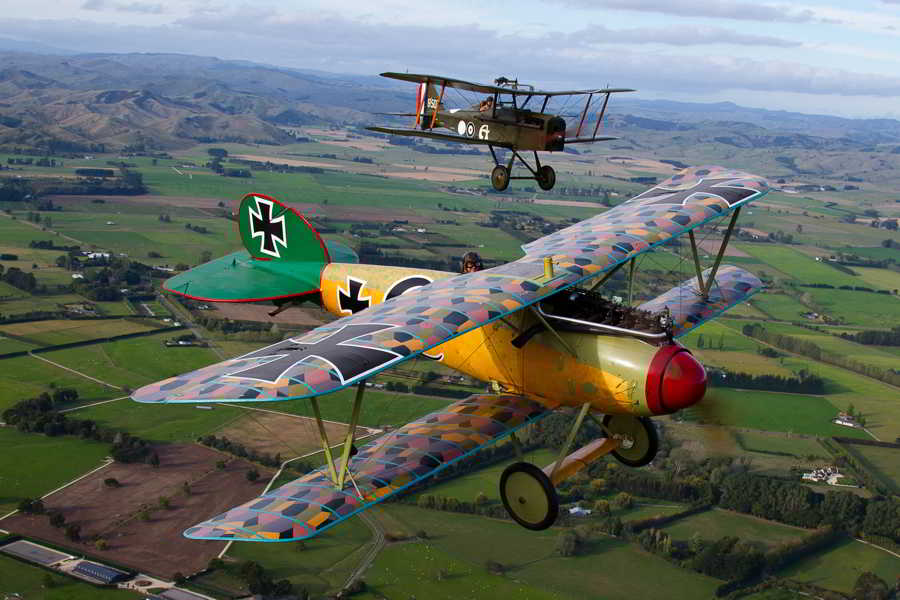
The Albatros D.Va of Josef Mai is escorted by a British R.A.F. S.E.5a fighter aircraft. Photo: © Historical Aviation Film Unit
Mai's career as a fighter ace began in earnest when he was assigned to one of the elite fighter squadrons, known as "Jagdstaffeln" or "Jastas." In these units, he flew several types of aircraft, including the Albatros D.III and the Fokker Dr.I triplane. Mai was known for his aggressive flying style and his ability to outmaneuver enemy aircraft in dogfights. His skills as a pilot earned him a considerable number of aerial victories, marking him as one of the prominent aces of the German air force.
Notably, Mai's combat record was not just about the number of enemy aircraft he downed; it was also about his leadership and tactical acumen. He often led formations of fighters into battle, demonstrating an innate understanding of aerial tactics and an ability to make quick decisions under pressure. His leadership qualities were recognized by his peers and superiors, earning him respect and admiration within the German military.
More Videos:
An Aerial View Of Mai's Albatros D.Va
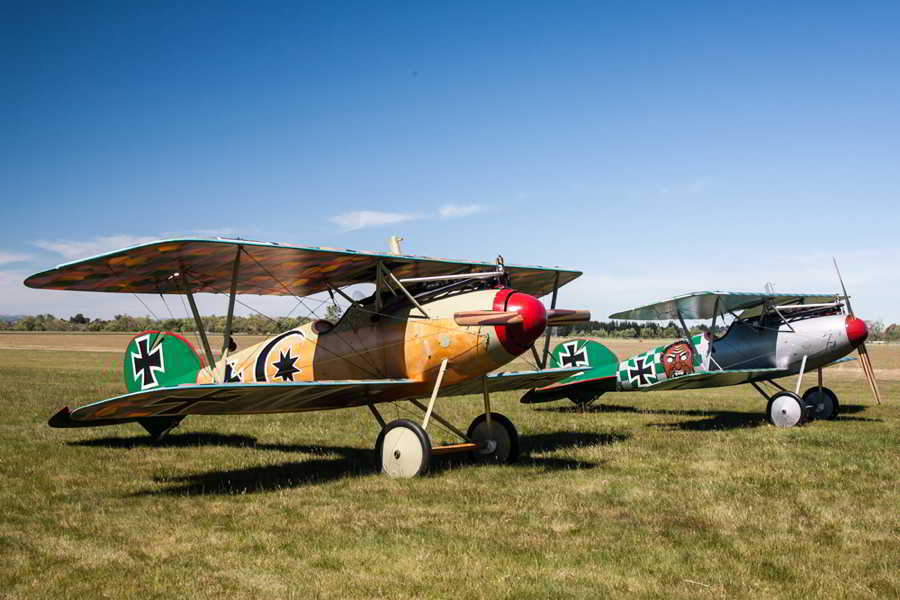
An Albatros D.Va and a Pfalz D.III Fighter
Three Albatros Fighters Patrolling The Front
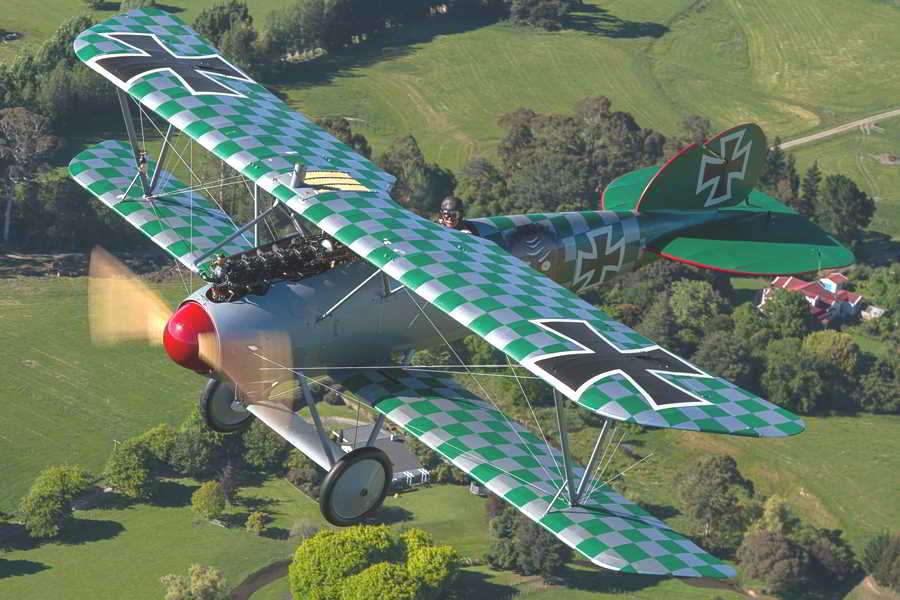
Aerial View Of Another D.Va Reproduction
More Photos:
Share This Page :
HMTV is our advert-free streaming video channel which features an awesome array of video and long form documentary material which is not available elsewhere. Sign up for a free trial and enjoy the significant and varied range of material we have on offer...
Please consider subscribing to HMTV, or buy us a drink to support our historical (story and film) preservation endeavours.
Copyright © All Rights Reserved — Historical Aviation Film Unit
Template by OS Templates